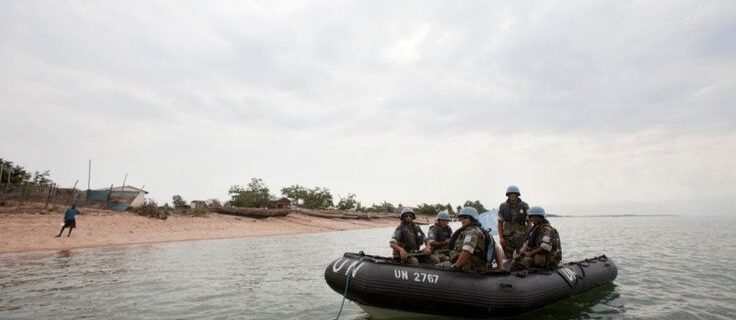
Investing and Enforcing the High Seas Treaty
Adopting the High Seas Treaty in 2023 marked a monumental step toward protecting marine biodiversity in international waters.

Adopting the High Seas Treaty in 2023 marked a monumental step toward protecting marine biodiversity in international waters.
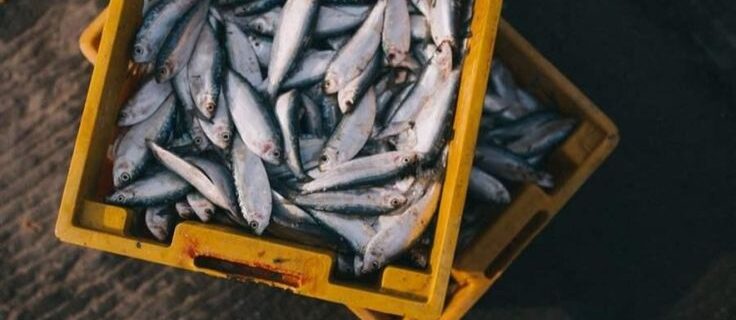
Illegal, unreported, and unregulated (IUU) fishing is a global crisis, threatening marine ecosystems, food security, and the livelihoods of millions who depend on sustainable fisheries.
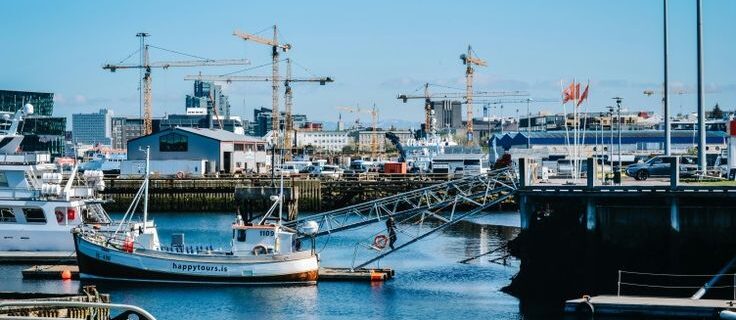
The blue economy, which encompasses the sustainable use of ocean resources for economic growth, improved livelihoods, and ocean ecosystem health, represents a significant opportunity for balancing development with conservation.

Marine Protected Areas (MPAs) are at the heart of the global initiative to protect 30% of the world’s oceans by 2030, commonly referred to as the “30×30” goal.
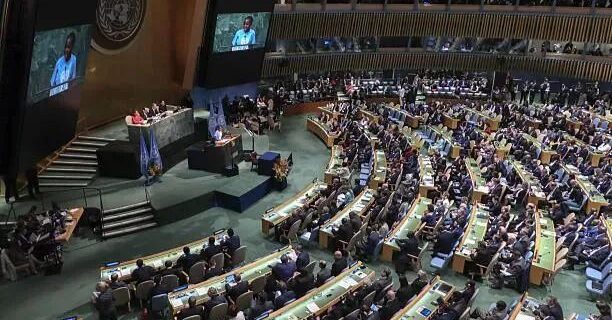
The Paris Agreement, adopted in 2015, was a landmark moment for global climate policy, uniting nations to limit global warming to well below 2°C, with an aspirational target of 1.5°C.
The ocean plays a vital role in regulating the Earth’s climate.

The blue economy, blue bonds, blue carbon—these terms have entered the popular discourse with force, often portrayed as the answer to both environmental challenges and economic growth.

The term “blue economy” has become a significant buzzword in recent years, promising a blend of sustainable development and economic growth rooted in the ocean. But where did this concept come from?
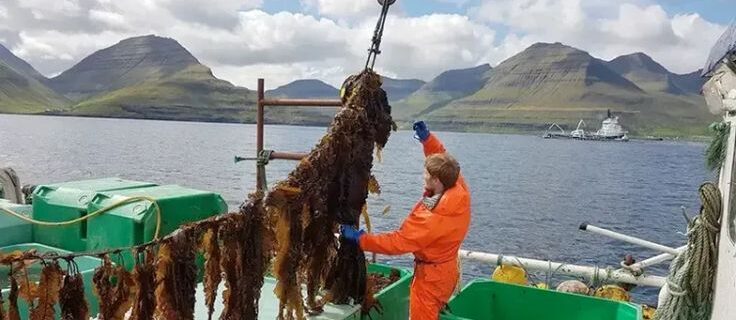
The ocean covers more than 70% of our planet, providing countless benefits from food security to controlling our climate.