
The Role of Blue Carbon in Mitigating Climate Change
Blue carbon-carbon captured and stored by the world’s ocean and coastal ecosystems—has emerged as a powerful tool in our fight against climate change.

Blue carbon-carbon captured and stored by the world’s ocean and coastal ecosystems—has emerged as a powerful tool in our fight against climate change.

Scientific progress is often driven by the collaborative efforts of public funding and private enterprise. However, as private interests increasingly dominate scientific research, a critical question arises: who truly benefits from these advancements?
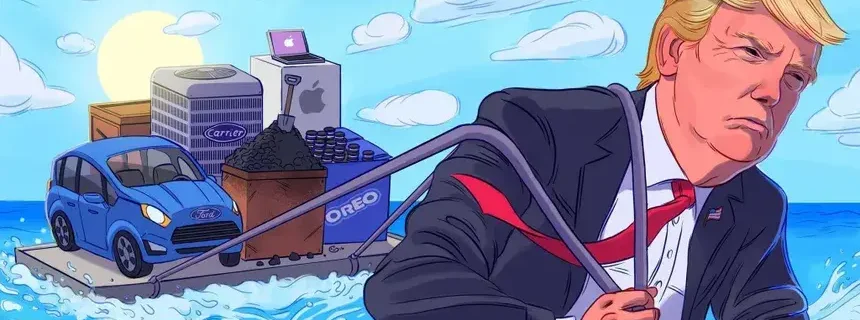
Should Donald Trump return to the White House, his administration’s policies will likely shape the future of this vital economic sector.

The blue economy represents a $3 trillion opportunity, according to the World Bank, yet many organizations struggle to attract the necessary funding to scale their efforts.

The blue economy, focused on sustainable oceanic resource management, represents one of the most promising pathways for economic growth, environmental preservation, and innovation.
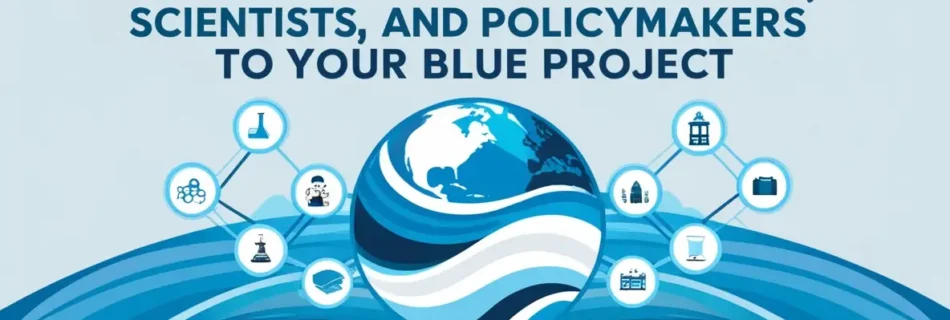
For startups, nonprofits, and NGOs working in the blue economy, building connections with investors, scientists, and policymakers is essential for success. These stakeholders bring different but complementary strengths: investors provide capital, scientists offer critical research and innovation, and policymakers shape regulatory frameworks.
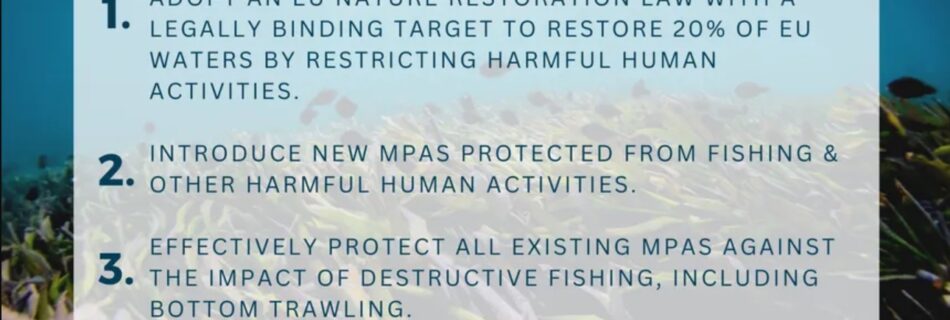
Marine Protected Areas (MPAs) are a cornerstone of marine biodiversity protection and a significant asset in the blue economy. However, when MPAs lack adequate funding, management, or enforcement, they become ineffective—turning into paper parks.
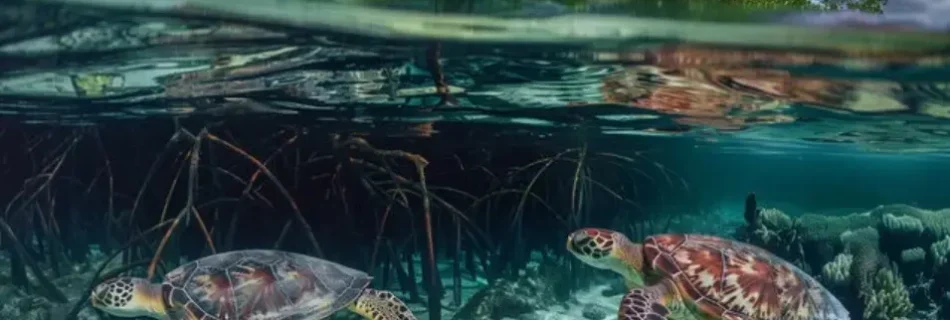
Marine Protected Areas (MPAs) are essential to preserving marine biodiversity, safeguarding fish stocks, and mitigating climate change impacts. Yet, despite the need, many MPAs worldwide exist only on paper—referred to as paper parks.
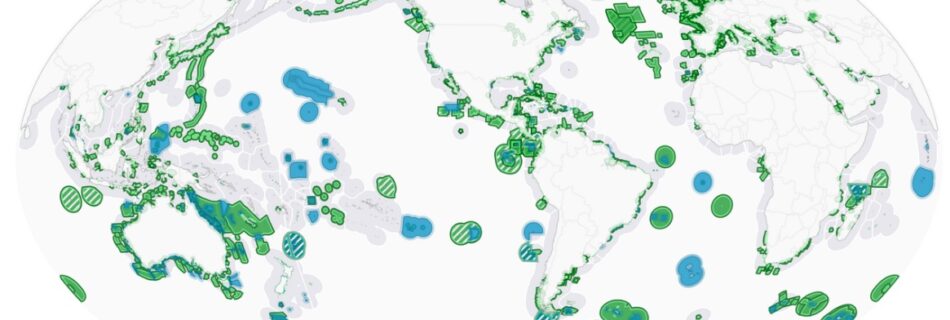
Marine Protected Areas (MPAs) play a vital role in preserving marine ecosystems, supporting biodiversity, and mitigating the effects of climate change.

As the world turns its attention to sustainable development, blue finance is emerging as a key driver in protecting and sustainably utilizing the ocean’s resources.