
Coral Reef Conservation and Biodiversity Awareness | Early Career Ocean Professional (ECOP)
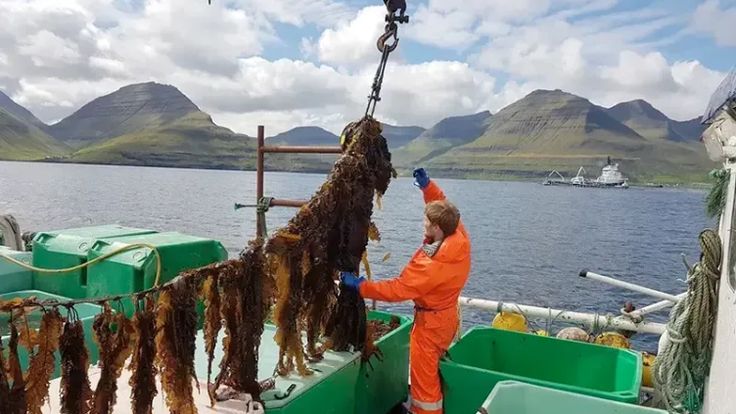
The ocean covers more than 70% of our planet, providing countless benefits from food security to controlling our climate. Yet, despite its importance, ocean conservation efforts are woefully underfunded. A recent study by The Nature Conservancy found that only 3% of global philanthropy goes towards environmental causes, with ocean conservation receiving an even smaller fraction.
One of the major barriers to increasing funding for ocean projects is a lack of transparency. When potential donors cannot see exactly where their money is going or what impact it is having, they become hesitant to give.
This article delves into why transparency is critical for gaining more support for ocean conservation and how we can create better funding pathways for meaningful ocean initiatives.
The Funding Crisis in Ocean Conservation
In 2022, ocean conservation organizations received just $500 million in donations globally—a minuscule sum compared to the $70 billion directed toward other philanthropic causes like education, healthcare, and the arts (source: OECD Philanthropy Report). Given the role oceans play in climate regulation, carbon absorption, and sustaining marine life, this lack of funding is alarming.
The Reason for the Crisis: A primary reason for this funding shortfall is the lack of transparency within the ocean conservation space. Potential donors often feel that their contributions vanish into the abyss, with little insight into how funds are used or what concrete outcomes they achieve.
Key Metric to Watch:
- Donor Confidence Index: In a survey by Charity Navigator, only 40% of potential ocean donors expressed high confidence that their contributions would be used effectively, compared to 68% for other environmental causes like forest conservation.
The Transparency Problem in Ocean Conservation
Transparency means offering clear visibility into how funds are being used and what impact they are having. Unfortunately, many ocean conservation organizations struggle to provide such transparency. With ocean projects often taking place in remote areas, measuring outcomes like coral regrowth or fish stock recovery is difficult and costly, leading to a gap in transparent communication with donors.
Challenges to Achieving Transparency:
- Complex Outcomes: Measuring the impact of ocean conservation can be challenging due to multiple variables, from marine biodiversity to changing ocean chemistry.
- Lack of Standardization: Unlike many terrestrial conservation efforts, there is no standardized framework for reporting ocean conservation outcomes, leading to discrepancies in the data shared by different organizations.
Metric to Monitor:
- Transparency Score: Organizations like GuideStar and Charity Navigator have introduced transparency scores, which measure how well nonprofits communicate their financials and outcomes to the public. Ocean conservation nonprofits tend to score 15-20% lower compared to other environmental nonprofits.
Addressing the Transparency Gap to Attract Donors
To increase support for ocean conservation, we must tackle the transparency problem head-on. Here are some actionable ways to create more transparency and build donor confidence:
1. Implement Impact Dashboards: Organizations could adopt digital dashboards that track key project metrics—such as coral coverage growth, CO2 absorption rates by seagrass meadows, or the number of marine species showing population recovery—and make them publicly accessible. Tools like Esri’s ArcGIS can help present this data in an engaging, visual way that’s easy for the public to understand.
Example to Note: The Great Barrier Reef Foundation (@GBRFoundation) has developed a “Reef Trust” initiative, an impact tracker that shows how funds are being used, broken down by project and outcome. This visibility into how funds are allocated has helped them boost donor engagement.
2. Real-Time Data Sharing with Technology: Ocean organizations can leverage technologies like blockchain for transparent financial reporting, enabling donors to see the exact pathway of their contributions from donation to implementation.
Metric to Implement:
- Impact Reporting Rate: Measuring the percentage of ocean projects that publish detailed impact reports or real-time updates could help track transparency progress. The current rate for ocean projects is estimated to be 30%, while organizations like Rainforest Trust for terrestrial conservation projects have a 65% rate of transparent reporting.
Why Donor Engagement Is Critical
The lack of transparency not only impacts one-off donations but also the long-term relationship between conservation organizations and their donor base. When donors don’t feel engaged or reassured, they are less likely to become recurring supporters, which is a major barrier to sustainable funding.
Example: In a survey conducted by GlobalGiving (@GlobalGiving), 62% of donors said they would be more willing to give if they could see regular updates demonstrating how their contributions are making a difference. Thus, ensuring consistent and clear communication is vital for engaging the donor community and keeping them on board for the long haul.
Building Trust to Support Our Oceans
The oceans are in crisis, and if we want to ensure a healthy future for marine life—and indeed for our planet—ocean conservation needs a substantial boost in funding. However, to secure this funding, organizations need to build trust through greater transparency.
We must close the information gap by sharing data-driven results, demonstrating impact, and providing real-time updates. By doing so, we can empower donors to invest confidently in ocean conservation and create sustainable, impactful change.
As renowned marine biologist Dr. Sylvia Earlesaid, “With every drop of water you drink, every breath you take, you’re connected to the sea.”
To ensure the longevity of our oceans, we must also connect transparency with action—making it easier for the world to support these vital ecosystems.
Sources:
- OECD Philanthropy Report. “Philanthropic Funding for Environmental Causes.”
- Great Barrier Reef Foundation (@GBRFoundation). “Reef Trust Impact Initiative.”
- GlobalGiving (@GlobalGiving). “Donor Survey on Transparency and Impact Reporting.”
- Charity Navigator. “Environmental Donor Confidence Survey.”
- Esri ArcGIS. “Using GIS for Conservation Impact Dashboards.”